


 Written by - admin
 Introduction to Pregnancy Ultrasound Scans
Pregnancy is a journey filled with excitement, anticipation, and a deep desire to meet your baby. From the first positive test until you finally hold your baby, every moment holds a deep and significant meaning, and every stage brings new emotions and milestones. One of the most reassuring and memorable parts of this journey is seeing our baby through ultrasound scans.
A prenatal ultrasound (or sonogram) is a test performed during pregnancy that checks the baby’s health and development. They play a vital role in prenatal care, helping both parents and healthcare professionals monitor the baby’s growth, development, and overall well-being. These scans not only provide essential medical insights but also create unforgettable bonding moments, such as hearing your baby’s heartbeat for the first time or watching tiny movements on screen.
With rapid advancements in imaging technology, today’s parents have access to more than just traditional scans. Modern options such as 2D, 3D, 4D, and HD Live scans offer increasingly detailed and lifelike views of your baby. Whether you’re looking for medical reassurance or a more emotional, visual connection, each type of scan provides a unique experience tailored to different stages of pregnancy.
What are these scans?
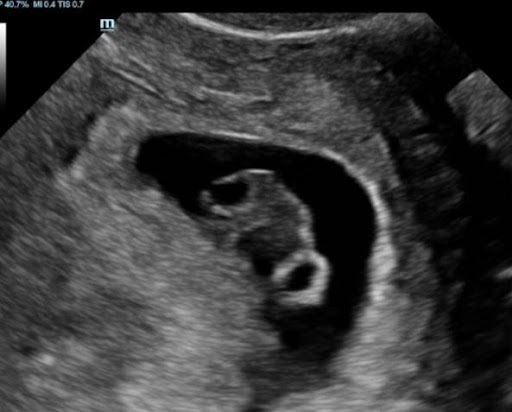
2D ultrasound scan: The Medical Standard
These scans are crucial for diagnostic purposes. While essential for medical care, 2D images can Sometimes it can be challenging for untrained eyes to decipher.Despite being simple, 2D scans are highly effective and widely used throughout pregnancy.
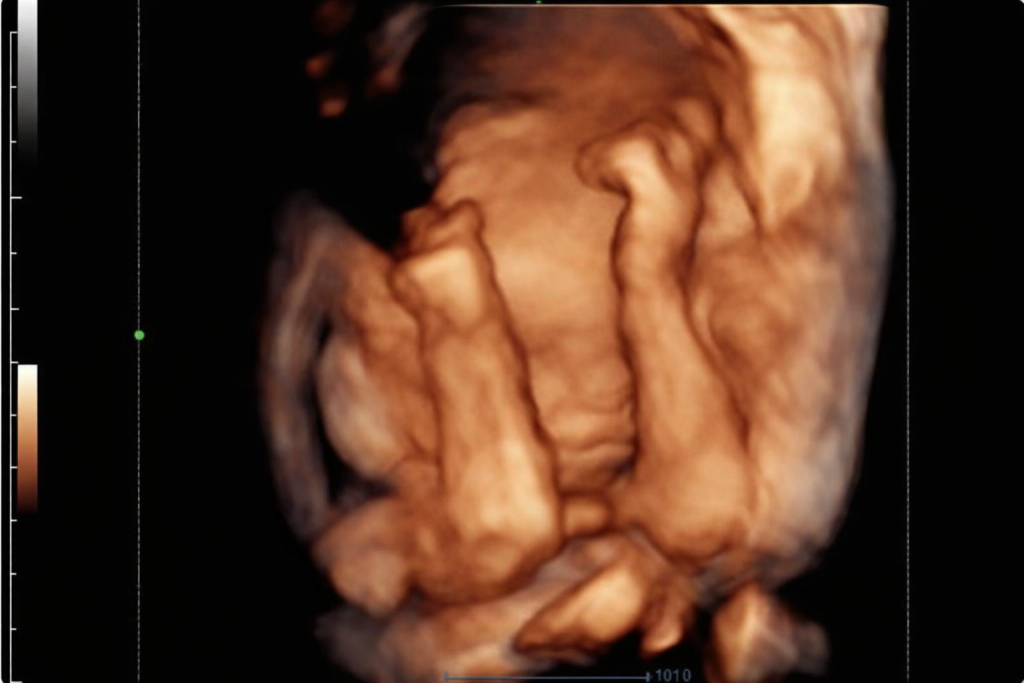
3D ultrasound scan: A Deeper Glimpse
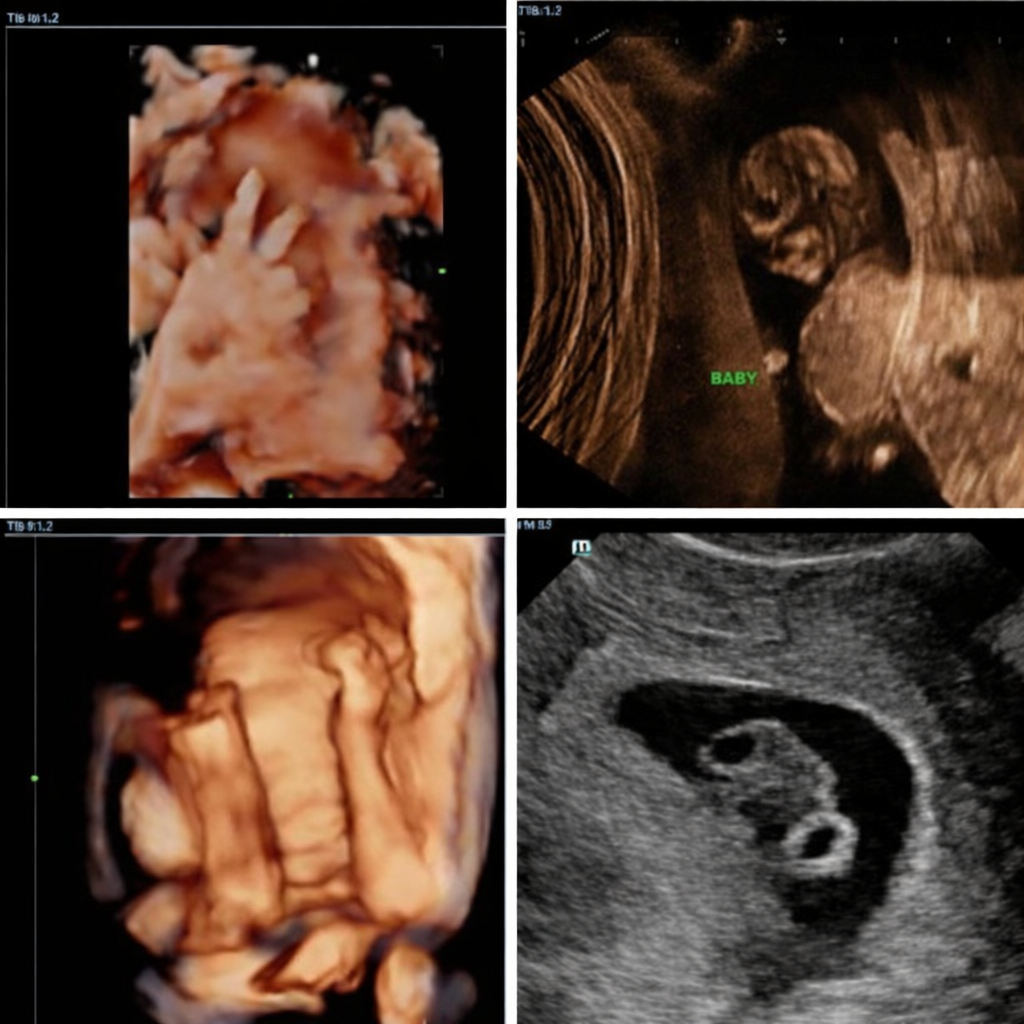
Now, if we discuss a 3D ultrasound scan, unlike 2D, which shows internal organs and structures, 3D technology captures still, three-dimensional images of your baby. Imagine seeing your baby’s adorable nose, tiny fingers, or even a cute yawn! This technology compiles multiple 2D images from different angles to create a lifelike, static picture. It’s a wonderful way to visualize your baby’s features and truly get that “first portrait” moment. For expectant parents, seeing these detailed images often makes the pregnancy feel even more real and personal.
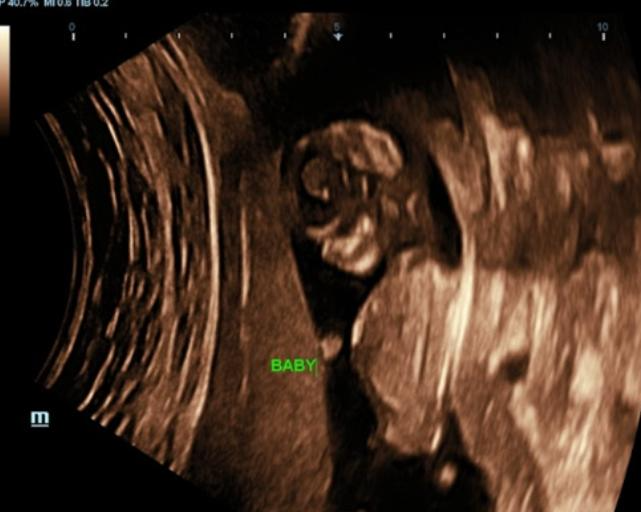
4D ultrasound scan: Bringing Movement to Life
If a 3D scan is a still photo, a 4D scan is a whole live video! The “4D” stands for “fourth dimension,” which is time. You may see your baby smiling, yawning, hiccuping, stretching, and moving hands and feet. It’s an incredibly dynamic and moving experience that offers an unparalleled bonding opportunity for you, your partner, and even excited siblings or grandparents. Imagine watching your baby’s expressions unfold right before your eyes!
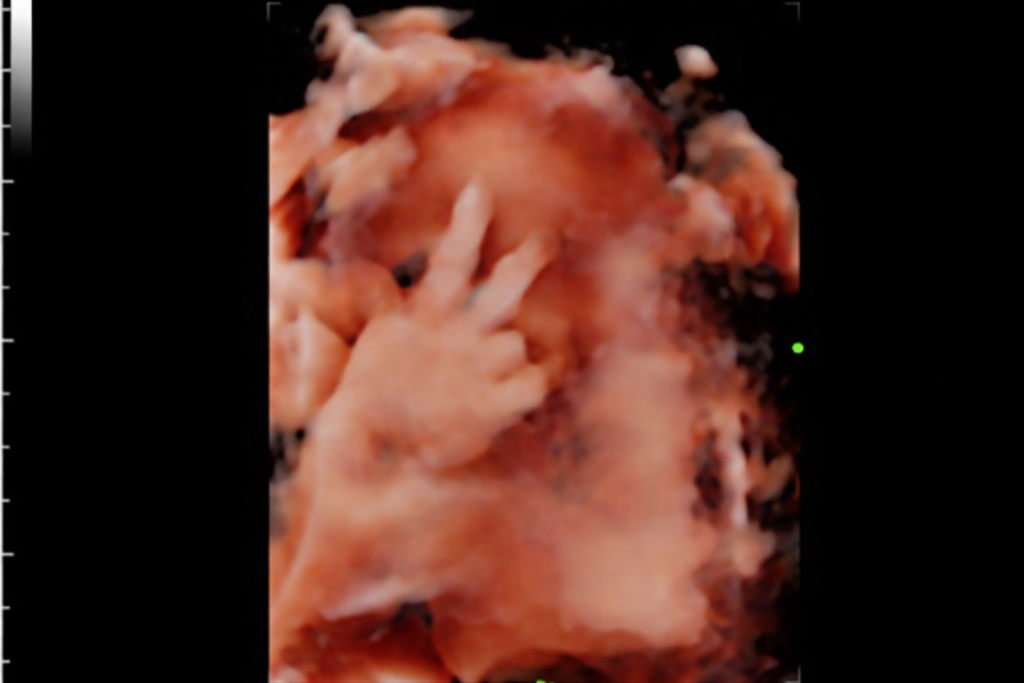
HD Live (5D) Scan: Unparalleled Clarity
HD Live, often known as 5D scanning, brings an almost magical touch to pregnancy imaging, turning ordinary ultrasounds into beautifully lifelike moments. With advanced lighting and shadowing, it creates soft, detailed images that resemble your baby’s first photograph—complete with tiny expressions and delicate features. Many parents are amazed to see their baby smile, yawn, or gently move, making the experience deeply emotional and unforgettable. It’s more than just a scan; it’s a chance to connect, imagine, and fall in love even before birth, capturing memories that families often cherish long after the pregnancy journey ends.
Key Differences Between 2D, 3D, 4D, and HD Live Scan
| Feature | 2D Scan | 3D Scan | 4D Scan | HD Live (5D) |
|---|---|---|---|---|
| Image Type | Flat, black & white | 3D still images | 3D moving (video) | Ultra-realistic 3D images |
| Clarity & Detail | Basic | Moderate | High | Very high (photo-like) |
| Movement | No | No | Yes | Yes |
| Purpose | Medical diagnosis | Visual clarity + bonding | Real-time bonding | Premium experience |
| Best Time | Throughout pregnancy | 24–32 weeks | 24–32 weeks | 26–32 weeks |
| Emotional Experience | Low | Moderate | High | Very high |
| Typical Cost (UK) | £45–£100 | £80–£150 | £100–£200 | £120–£260+ |
Benefits of Each Type of Scan
Each ultrasound technology—2D, 3D, 4D, and 5D—serves a different purpose in pregnancy, ranging from essential medical diagnostics to bonding and keepsake experiences.
Benefits of 2D Scan
- Detailed Internal View: Allows doctors to check the baby’s internal organs, brain, and heart structure.
- Growth Tracking: Accurately measures fetal size, heart rate, and growth progress.
- Position Assessment: Essential for identifying the baby’s position, placenta location, and amniotic fluid levels.
- Early Detection: Helps detect congenital disabilities or developmental issues early.
Benefits of 3D Scan
- Clearer Facial Features: Allows parents to see their baby’s face, hands, and feet in detail.
- Supplementary Diagnosis: Helps doctors identify surface anomalies like cleft lips or skeletal issues that might be unclear in 2D.
- Improved Bonding: Gives a clear picture of the baby’s features, allowing parents to recognize their child before birth.
- Keepsake Images: Produces clear “portraits” that are easy for parents to understand and cherish.
Benefits of a 4D scan
- Movement Visualization: Shows the baby stretching, yawning, sucking their thumb, or smiling, providing a deeper emotional bond.
- Fetal Behavior Assessment: Helps doctors monitor the baby’s motor skills and activity levels.
- Enhanced Family Engagement: Creates a movie-like video that is exciting for parents, siblings, and family to watch.
- Increased Reassurance: Seeing the baby move and function in real-time often reduces parental anxiety.
Benefits of 5D Ultrasound (Enhanced/HD Live)
- Superior Image Clarity: Offers the highest quality, most detailed images possible.
- Lifelike Realism: Provides a photographic-quality view that looks closer to what a baby looks like in person, with smooth, natural skin tones.
- Automated Diagnostics: Many 5D technologies offer automated volume calculations, which can speed up the exam and reduce human errors in measuring structures.
- Best for Keepsakes: Offers the most vivid and memorable keepsake photos and videos
When Are These Scans Recommended During Pregnancy?
- 2D Scans: Throughout pregnancy for medical monitoring
- 3D & 4D Scans: Best between 24 – 32 weeks for clear images
- HD Live Scans: Ideal during late second or early third trimester
Timing plays a crucial role in getting the best results, as the baby’s position and development affect image quality. Each scan shows how our baby develops and reaches the stage when it is ready to be in this world.
Are These Ultrasound Scans Safe?
Yes, ultrasound scans are considered safe when performed by trained professionals. They use sound waves, not radiation, making them suitable for both mother and baby. They use non-ionizing sound waves rather than radiation and show no link to birth defects, childhood cancer, or developmental issues. Ultrasounds are not a danger for you and your baby but a support for you during your prenatal journey and a link to bond with your baby.

Why Choose Baby Bump Sheffield for Your Pregnancy Scan?

There are several private pregnancy scan options, so we want to be transparent about what makes Baby Bump different.
- CQC registered and rated Outstanding for Well-led. Baby Bump Sheffield is regulated and inspected by the Care Quality Commission — the independent body responsible for quality standards in healthcare. You can check our rating directly on the CQC website.
- Qualified sonographers. Every scan at Baby Bump Sheffield is performed by a qualified, experienced sonographer. You are not in the hands of a technician with limited training—our team has clinical expertise and genuinely cares about the experience we give you.
- Honest prices with no hidden extras. Our prices are published clearly and include everything—images, the report, and an explanation from your sonographer. No upselling on that day unless you choose to add something.
- A relaxed, personal appointment — not a conveyor belt. We give your appointment the time it deserves. Our scan rooms are comfortable and private. You can bring your partner, a parent, or a close friend.
- Free rescan policy on gender scans. If your baby is not cooperating on the day of a gender scan, we will rebook you at no additional charge. We do not take your money and send you home without an answer.
- Trustpilot excellent rating, with a 4.3 out of 5 score. Hundreds of verified Sheffield parents have shared their baby bump experiences online. You can read every review—the positive ones, the honest ones, all of them.
We are an independently run Sheffield clinic, not a franchise or national chain. When you come to Baby Bump, you are not a booking number — you are an expectant parent, and we treat you accordingly.
Final Thoughts
Understanding the differences between 2D
, 3D, 4D, and HD Live scans helps you make informed decisions during your pregnancy. While 2D scans remain essential for medical care, advanced scans offer a deeper emotional connection with your baby.
Choosing a trusted provider like Baby Bump Sheffield ensures both safety and a memorable experience, making your journey to parenthood even more special.
Frequently Asked Questions About Pregnancy Ultrasounds
The ideal time is usually between 24 and 32 weeks of pregnancy, when your baby has developed enough features but still has space to move for clearer images.
Yes, ultrasound scans are considered very safe when performed by trained professionals. They use sound waves, not radiation, and are a routine part of prenatal care worldwide.
The timing of your first ultrasound varies depending on your provider. Some people have an early ultrasound (also called a first-trimester ultrasound or dating ultrasound). This can happen as early as seven to eight weeks of pregnancy.
Yes, gender can often be identified during certain scans, typically after 16 weeks. Many private clinics also offer dedicated gender scans.
Sometimes babies may not be in the best position for clear images. In such cases, you may be asked to move, take a short walk, or come back for a rescan.