


 Written by - admin
 Introduction to Pregnancy Scan Timeline: What to Expect Week by Week
Pregnancy is an exciting journey filled with milestones, and one of the most reassuring parts of this journey is attending your ultrasound scans. These scans allow you to see your baby and ensure that everything is progressing safely. A pregnancy scan timeline provides a structured, week-by-week guide to the different types of ultrasound scans you may experience from as early as 6 weeks right through to birth. Each scan is designed with a specific purpose, whether it’s confirming your pregnancy, accurately dating your baby’s development, screening for potential conditions, or checking your baby’s growth and position later on.
This comprehensive week-by-week pregnancy scan timeline will walk you through every key stage, helping you understand:
- When each scan takes place
- What each scan is used for
- What you can expect during the appointment
- How each scan contributes to your baby’s health and development
By the end, you’ll have a clear roadmap of your pregnancy scan journey—so you can approach each appointment with confidence, excitement, and peace of mind.
Why Are Pregnancy Scans Important? Why are they recommended after 6 weeks of pregnancy?
Pregnancy scans (ultrasounds) are vital for ensuring the healthy development of the fetus and the safety of the mother. They confirm pregnancy viability, establish accurate due dates, monitor growth, identify multiples, detect structural or genetic abnormalities early, and assess the placenta and amniotic fluid. Your doctor may also use a pregnancy ultrasound for screening and other testing. Screening is a test that determines if the baby is more likely to have a specific health condition than others. This type of test allows doctors to monitor and manage any potential issues early on. Ultrasound can also assist with other pregnancy tests, such as amniocentesis or CVS (chorionic villus sampling), which help doctors check for genetic or chromosomal conditions, such as Down’s syndrome, Edwards syndrome, or Patau syndrome.
Pregnancy scans are usually recommended around or after 6 weeks of pregnancy because this is the earliest point at which an ultrasound can reliably detect key developmental milestones, such as a fetal heartbeat and a properly located embryo. Scanning earlier often leads to inconclusive results, anxiety, and the need for repeat scans. If you’re under 6 weeks, a heartbeat is unlikely to be found, which would only cause confusion and distress.
What Is a Private Pregnancy Scan
A private ultrasound scan is a non-invasive procedure that uses sound waves to create images of your baby inside the womb. Unlike standard NHS scans, private scans offer more flexibility, detailed imaging, and a personalised experience. Clinics like Baby Bump Sheffield offer advanced imaging and a comfortable environment, making the experience both professional and memorable.
First Trimester Scans (6–12 Weeks)
Early Pregnancy Scan (6–8 Weeks)
Your first scan is often done between the 6th and 8th weeks. This early pregnancy scan confirms the pregnancy, checks the baby’s heartbeat, and ensures it is developing in the right place. It also helps determine your expected due date.
Dating Scan (8–12 Weeks)
A dating scan, typically performed between 8 and 12 weeks of pregnancy, confirms viability, estimates the due date (EDD) by measuring the crown-rump length (CRL), and checks for single or multiple pregnancies. The scan is most accurate for dating between 7 and 11 weeks, often confirming a heartbeat and ensuring proper implantation.
Second Trimester Scans & Third Trimester Scans (13 Weeks to Birth)
- Nuchal Translucency (NT) Scan (11–14 Weeks)
A Nuchal Translucency (NT) scan is a non-invasive, optional first-trimester ultrasound (11–14 weeks) that measures the fluid-filled space at the back of a fetus’s neck. A small amount of fluid is normal. More fluid tends to build up at the base of a fetus’s neck when it has a chromosomal or genetic condition. During the scan, your provider also checks for early physical features, such as the nasal bone.
- Reassurance Scan (13-39 Weeks)
A reassurance scan is a non-routine, private ultrasound, often done between 6 and 10 weeks (early) or 14 and 19 weeks, designed to provide peace of mind by checking a baby’s heartbeat, development, and viability. These scans help alleviate anxiety and allow parents to see their baby outside of NHS-scheduled screenings
- Anomaly Scan (18–22 Weeks)
An anomaly scan, also known as level 2 ultrasound, is a crucial, routine 2D ultrasound performed between 18 and 22 weeks of pregnancy to examine a baby’s physical development and detect structural abnormalities. It checks organs, bones, and overall growth, including the brain, heart, and limbs, and assesses the placenta and amniotic fluid.
- Gender Scans (15 Weeks onwards)
Certain moments in pregnancy feel truly unforgettable, and discovering your baby’s gender is one of them. A gender scan is a private ultrasound, typically performed from 16 weeks of gestation onwards, that identifies a baby’s sex with up to 99% accuracy. While often determined during the 20-week anomaly scan, private gender scans offer early insight, check the baby’s development, and provide images
- Position & Wellbeing Scan (32–36 Weeks)
A position and well-being scan (often called a growth scan) is a third-trimester ultrasound, typically done between 28 and 37 weeks, to assess the baby’s health. It checks the baby’s position (breech/cephalic), weight, movement, amniotic fluid levels, placenta location, and blood flow, providing reassurance in high-risk or full-term pregnancies.
Optional & Advanced Scans
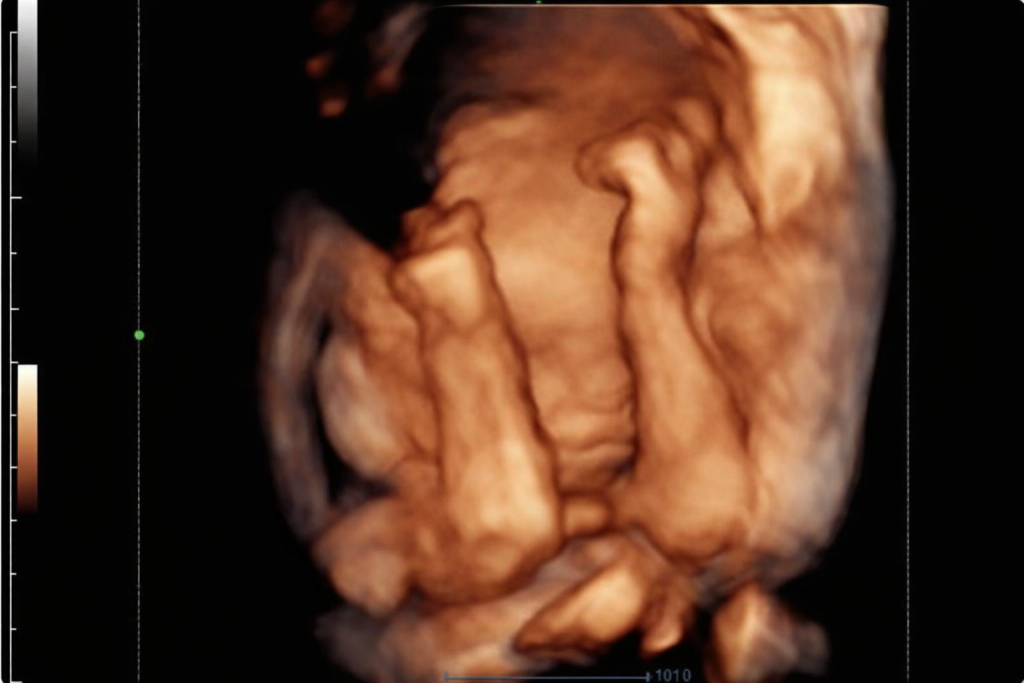
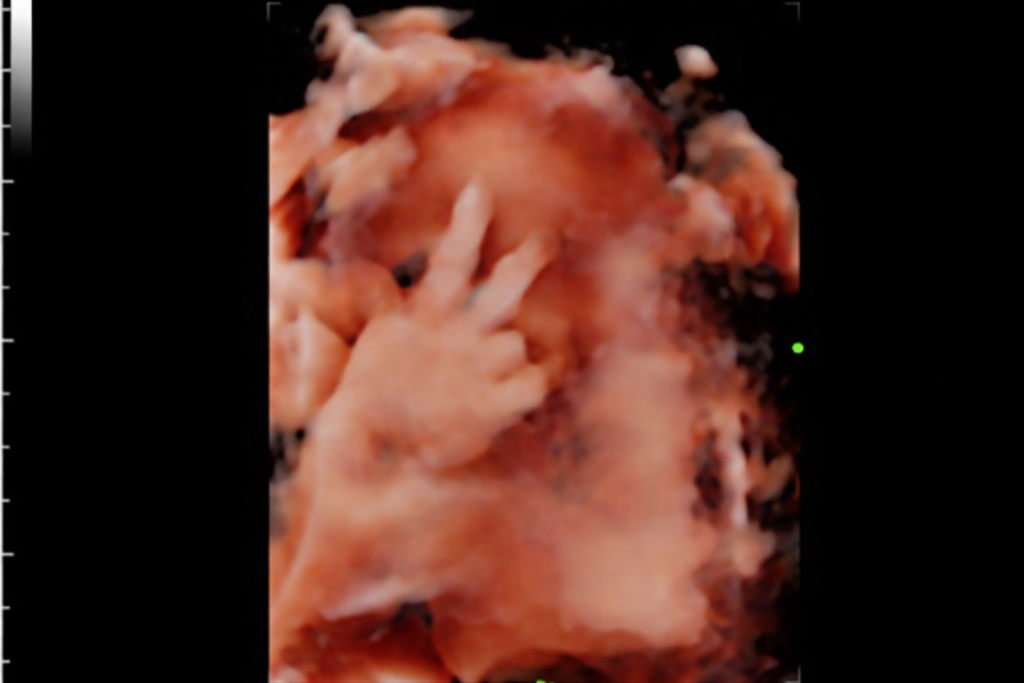
3D/4D baby scans provide detailed, 3D still images (3D) and live-motion videos (4D) of a fetus, typically best performed between 26 and 30 weeks for facial features. While they help visualize fetal movements and aid in detecting anomalies, they are considered safe when done medically, though unnecessary “keepsake” scans are discouraged by health experts.
- HD Live (5D) Scans
HD Live, often known as 5D scanning, brings an almost magical touch to pregnancy imaging, turning ordinary ultrasounds into beautifully lifelike moments. With advanced lighting and shadowing, it creates soft, detailed images that resemble your baby’s first photograph—complete with tiny expressions and delicate features. Many parents are amazed to see their baby smile, yawn, or gently move, making the experience deeply emotional and unforgettable. It’s more than just a scan; it’s a chance to connect, imagine, and fall in love even before birth, capturing memories that families often cherish long after the pregnancy journey ends.
Are Pregnancy Scans Safe for You and Your Baby?
Scans are considered safe when performed by trained professionals. They use sound waves rather than radiation, making them suitable for both mother and baby. They use non-ionizing sound waves rather than radiation and show no link to birth defects, childhood cancer, or developmental issues. These scans are not a danger for you and your baby but a support for you during your prenatal journey and a link to bond with your baby.
What to Expect During Each Scan
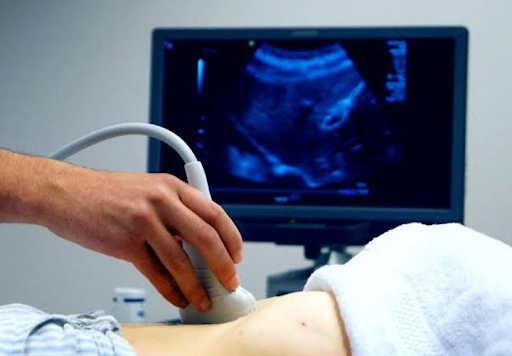
During a pregnancy scan, you can expect a simple, safe, and comfortable procedure that usually lasts between 10 and 30 minutes, depending on the stage of your pregnancy. When you arrive, you’ll be asked to lie down on an examination bed, and a clear gel will be applied to your abdomen to help the ultrasound device (called a transducer) move smoothly and produce clearer images. The sonographer will gently glide the transducer over your belly, and you’ll be able to see your baby on a screen in real time. They may take measurements, check your baby’s heartbeat, movement, and growth, and explain what is visible during the scan. In a very early pregnancy (around 6–8 weeks), the scan may be done internally (transvaginal) to get a clearer image. You might be asked to have a full bladder for early scans, as it helps improve image quality, while later scans usually don’t require this preparation. The experience is usually painless, non-invasive, and often emotional, as you can connect with your baby for the first time.
How to Prepare for Your Ultrasound Appointment: Water, Timing, What to Bring
Preparing for your ultrasound appointment is simple, but a little thought beforehand can make the experience smoother and more comfortable. One of the most common instructions for early pregnancy scans is to drink water before your appointment. A full bladder helps lift the uterus slightly, allowing clearer images of your baby, so you may be asked to drink a few glasses of water about an hour before your scan. As your pregnancy progresses, the procedure usually becomes less necessary.
Timing also plays an important role. Try to arrive a little early so you’re relaxed and not rushed. If you’re feeling anxious or excited (which is completely natural), giving yourself those extra few minutes can help you settle in and fully enjoy the moment. Choosing a time of day when you’re comfortable—neither too worn out nor too hungry—can also make the experience more pleasant.
When it comes to what to bring, keep it simple but thoughtful. Bring any relevant medical notes or past scan reports, as they can help with comparison. Many parents like to bring their partner, a friend, or a family member along to share the experience—just check in advance if guests are allowed. You might also want to bring a small keepsake mindset, because for many, this isn’t just a medical appointment but a memory in the making.
Ultimately, preparation isn’t just about logistics; it’s about creating a calm, positive space for yourself so you can fully take in one of the most special moments of your pregnancy journey.

What to Expect at Your Baby Bump Sheffield Appointment
We know that for many parents—especially first-timers—the idea of a private scan clinic can feel a little daunting simply because it is unfamiliar. Here is exactly what happens from the moment you arrive.
You arrive at Baby Bump Sheffield at Unit 12, New Era Square, Bramall Lane, Sheffield S2 4RB—we are located in a modern, accessible clinic in the heart of Sheffield with parking available nearby. Bring your partner, a parent, a friend—whoever you want to share this moment with.
Our reception team will welcome you, check your details, and invite you to relax while you wait. The atmosphere is warm and unhurried — we keep appointments properly spaced so you never feel rushed.
In the scan room, a small amount of ultrasound gel is applied to your abdomen. Your sonographer will gently move the probe across your bump, and your baby will appear on screen. Your sonographer will talk you through everything they can see — your baby’s heartbeat, position, size, and movements. If you are having a gender scan, the reveal happens at this point. If you are having a 4D scan, your sonographer will take their time to get the best possible images.
Most appointments take 20 to 40 minutes, depending on the scan type. You will leave with printed scan images to take home and a digital copy. All our scans include a well-being report. If anything requires attention, you will be referred through our NHS pathway to the appropriate care team.
Why Choose Baby Bump Sheffield for Your Pregnancy Journey?
There are several private pregnancy scan options in and around Sheffield, so we want to be transparent about what makes Baby Bump different.
• CQC registered and rated Outstanding for Well-led. Baby Bump Sheffield is regulated and inspected by the Care Quality Commission — the independent body responsible for quality standards in healthcare. You can check our rating directly on the CQC website.
• Qualified sonographers. Every scan at Baby Bump Sheffield is performed by a qualified, experienced sonographer. You are not in the hands of a technician with limited training — our team has clinical expertise and genuinely cares about the experience we give you.
• Honest prices with no hidden extras. Our prices are published clearly and include everything—images, the report, and an explanation from your sonographer. No upselling on that day unless you choose to add something.
• A relaxed, personal appointment—not a conveyor belt. We give your appointment the time it deserves. Our scan rooms are comfortable and private. You can bring your partner, a parent, or a close friend.
• Free rescan policy on gender scans. If your baby is not cooperating on the day of a gender scan, we will rebook you at no additional charge. We do not take your money and send you home without an answer.
• Trustpilot has an excellent rating, with a 4.3 out of 5 score. Hundreds of verified Sheffield parents have shared their Baby Bump experience online. You can read every review—the good ones, the honest ones, all of them.
We are an independently run Sheffield clinic, not a franchise or national chain. When you come to Baby Bump, you are not a booking number — you are an expectant parent, and we treat you accordingly.
Final Thoughts
Understanding your pregnancy scan timeline helps you feel more confident and prepared throughout your journey. From the first heartbeat at 6 weeks to the final positioning scan before birth, each stage brings you closer to meeting your baby.
Whether for medical reasons or emotional reassurance, scans are a beautiful and essential part of pregnancy—offering both clarity and connection every step of the way.
Frequently Asked Questions About Pregnancy Timeline
Typically 2–3 medical scans, but more if needed or chosen privately.
Yes, private clinics offer reassurance scans at any stage.
Around 20 weeks and beyond, especially with 3D/4D scans.
Yes, when done professionally and not excessively.
No, a 7-week ultrasound is not too early and is often considered an ideal time for an initial dating scan. At 7 weeks, a transvaginal ultrasound can typically confirm the pregnancy’s viability, detect a fetal heartbeat, measure the embryo, and check for twins.
Private ultrasound scans at Baby Bump Sheffield range from approximately £59 to £125, depending on the type of scan (dating, gender, or 3D/4D) and included keepsakes.